Learning how to save money on food while traveling can change the entire rhythm of a trip. Food often becomes one of the biggest daily expenses. It also shapes how memorable each destination feels. The goal is not to skip great meals. It is to spend with more awareness. Smart travelers mix restaurants, markets, snacks, and local specialties. That balance keeps the experience rich without draining the budget. A thoughtful food plan also reduces stressful last-minute choices. You eat better because you choose with intention. Your trip feels more flexible, flavorful, and financially comfortable.
Food savings begin long before the first café receipt appears. Research helps you understand typical prices. It also shows where locals actually eat. Tourist-heavy streets usually charge more for less memorable meals. Neighborhood markets often provide better value and fresher options. A quick plan can include breakfast ideas, lunch zones, and one special dinner. Travelers who want a deeper approach can explore affordable travel meals before they leave. This prevents rushed decisions after a long day. Planning creates freedom, not restriction. You still leave space for surprise.
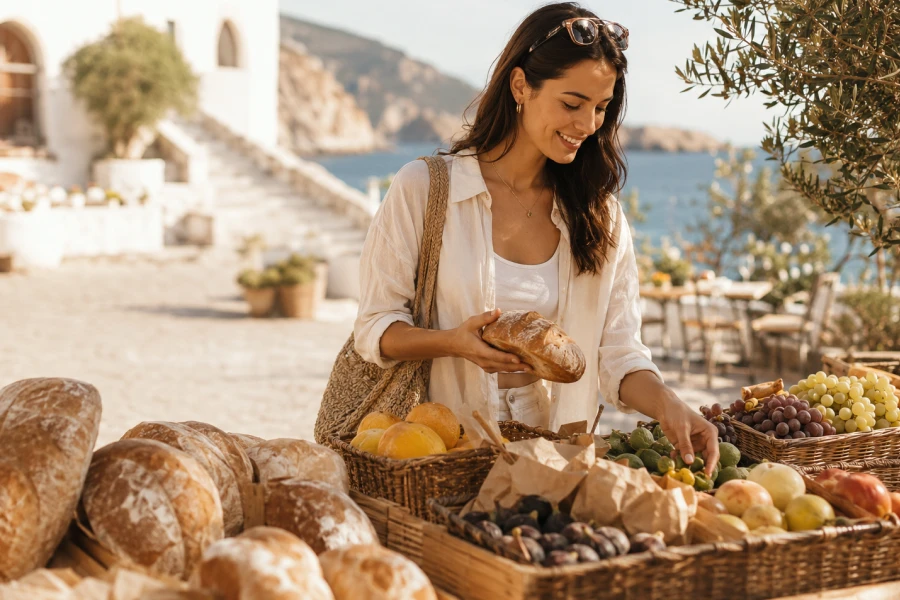
Local markets are one of the easiest ways to eat well. They offer fruit, bread, cheese, snacks, and regional treats. Prices usually stay lower than restaurants near attractions. Markets also reveal how people shop and cook locally. That makes the experience feel more authentic. You can build breakfast from market finds. You can also create a picnic lunch for sightseeing days. This works especially well in parks, beaches, trains, and hotel rooms. A market habit turns food shopping into exploration. It gives you flavor, savings, and cultural texture at once.
Every trip deserves a meal that feels special. The mistake is treating every meal like the big event. Choose one memorable restaurant or food experience. Then keep the surrounding meals simpler. This method protects the budget while preserving excitement. It also makes the splurge feel more intentional. A thoughtful traveler might use budget-friendly dining ideas for casual days. That leaves room for a seafood dinner, tasting menu, or famous local dish. Contrast creates appreciation. You remember the standout meal more clearly.
Snacks sound small, yet they prevent expensive impulse purchases. Hunger often leads travelers into overpriced cafés. A simple snack pack changes that pattern. Nuts, fruit, crackers, protein bars, and refillable water help between meals. You make better choices when you are not desperate. This is especially useful in airports, stations, museums, and long walking routes. Snacks also help families avoid constant small purchases. They keep energy steady without interrupting the itinerary. The goal is not to replace every meal. It is to protect your budget from avoidable hunger spending.
Affordable eating does not mean bland eating. Many destinations have excellent casual foods. Street stalls, bakeries, lunch counters, and small family restaurants often beat expensive venues. The key is to observe turnover, cleanliness, and local traffic. Busy places usually serve fresher food. Menus with fewer items can also signal quality. Travelers can use cheap eats abroad as a practical mindset. Look for dishes locals buy every day. These meals are usually affordable because they are part of daily life. Flavor often lives outside polished dining rooms.
The best food budget strategy becomes automatic. Start each morning with a loose plan. Decide where one main meal will happen. Add a backup option near your route. Carry water and one snack. Check prices before sitting down. Split large portions when possible. Avoid ordering extras out of habit. These small moves compound quickly. By the end of the trip, you spend less without feeling deprived. Food becomes part of your travel confidence. You enjoy more because money feels managed, not mysterious.




Leave a comment