Affordable eating on the go works best when travelers stop treating cheap meals as a downgrade. A great travel day can include a bakery breakfast, a market lunch, and one relaxed dinner. The experience still feels generous. It simply becomes more intentional. Moving between landmarks, transit, tours, and hotel check-ins requires practical food choices. Those choices should be easy, satisfying, and location-aware. Travelers often overspend because they wait until hunger takes over. A better rhythm keeps food accessible. It also leaves more money for experiences. Eating affordably can feel smart, local, and surprisingly enjoyable.
Timing affects both cost and quality. Travelers who eat during peak tourist hours often face higher prices. They also meet longer lines and rushed service. Shifting meals slightly earlier or later can help. Lunch specials usually cost less than dinner portions. Bakeries and cafés may discount items near closing. Morning grocery stops reduce daytime spending. A resource focused on meal planning for travel can make these habits easier. Timing gives you more control. It also prevents expensive decisions made from fatigue.
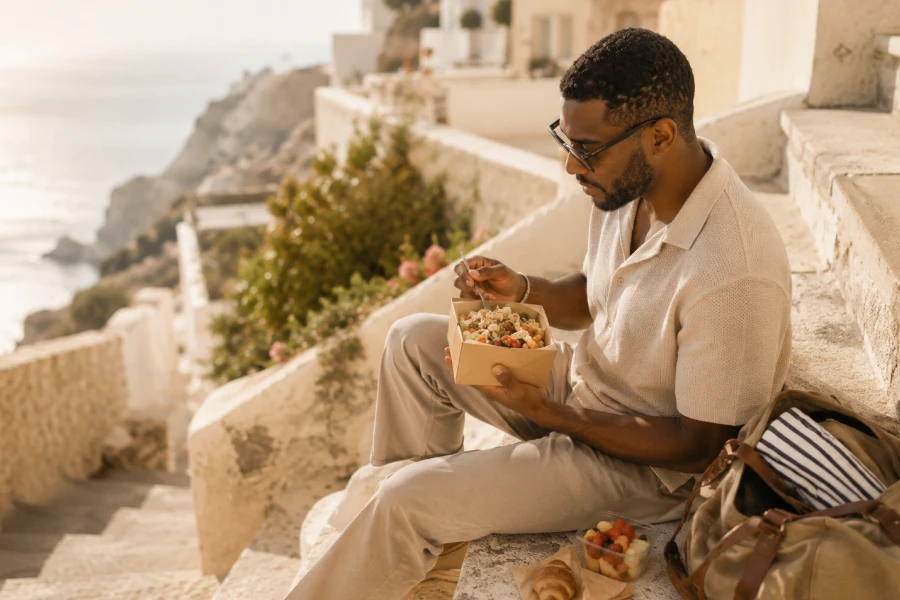
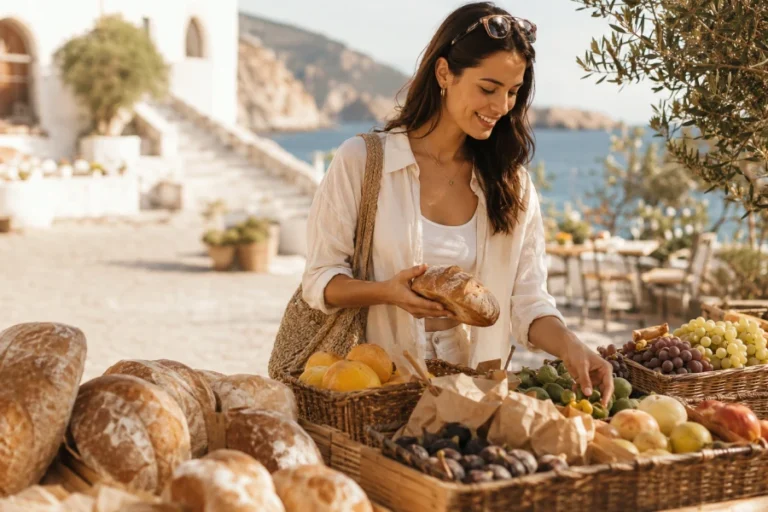
Portable food should not feel like an emergency ration. It can be fresh, colorful, and destination-specific. Think crusty bread, local cheese, ripe fruit, pastries, olives, wraps, or regional snacks. Many cities have excellent takeaway options near markets. A simple meal can become memorable when eaten in the right setting. Parks, waterfronts, and scenic benches add atmosphere for free. Choose foods that travel well and do not create a mess. Keep napkins and a reusable utensil nearby. Small preparation makes casual eating feel polished. It also protects your sightseeing time.
Transit hubs can be risky for food budgets. Airports and major stations often charge convenience prices. Still, every hub has smarter choices if you look carefully. Avoid the first visible option after security or arrival. Compare prices before committing. Bring snacks when allowed. Fill a water bottle after screening. Search nearby side streets outside stations when time allows. Travelers can benefit from grocery shopping on trips when long travel days are planned. Transit food should support the journey. It should not consume the budget.
Street food can be one of the strongest travel values. It is often fast, flavorful, and rooted in local tradition. The best vendors usually attract steady local customers. Watch how food is handled and cooked. Choose hot items served fresh. Avoid anything that seems neglected or exposed too long. Street food also helps you sample more dishes. Smaller portions let you try several flavors without paying restaurant prices. This approach works especially well for solo travelers. It makes food discovery feel active, casual, and fun.
Families and groups need a slightly different food strategy. Costs rise quickly when everyone orders drinks, desserts, and full meals. Sharing can make a major difference. Order several dishes and divide them. Add market snacks for younger travelers. Choose accommodations with a small fridge when possible. A practical plan for food costs on vacation can prevent daily surprises. Groups should discuss expectations before hunger hits. Not every meal needs to be formal. Shared casual meals often become the most relaxed memories.
Food should support the trip rather than interrupt it. Smart casual meals keep your day moving. They reduce long waits and unnecessary detours. They also make spontaneous plans easier. You can follow good weather, local recommendations, or unexpected discoveries. Affordable choices create room for museums, tours, transport, and gifts. They also reduce guilt after returning home. When food decisions feel balanced, the whole trip feels calmer. You enjoy eating without constantly calculating. That is the real value of a practical travel food rhythm.



Leave a comment