A travel food budget should not feel like a punishment. It should help every meal earn its place in the trip. Travelers often underestimate food because purchases happen in small moments. Coffee here, snacks there, and restaurant extras quietly add up. A clear food plan makes those choices visible. It also helps you decide what matters most. Some travelers want one beautiful dinner. Others prefer daily cafés and casual tastings. Both approaches can work. The budget simply gives your preferences structure. When food spending has purpose, meals feel more satisfying and less stressful.
A single food number for the whole trip feels too vague. Daily categories make spending easier to manage. Separate breakfast, lunch, dinner, snacks, and treats. This shows where money usually leaks. Breakfast is often the easiest place to save. Lunch can be casual without feeling cheap. Dinner may deserve more flexibility. Travelers who want practical support can use dining tips for travelers to build realistic categories. Daily structure prevents overcorrection. It also keeps the trip enjoyable. You know when to save and when to spend.
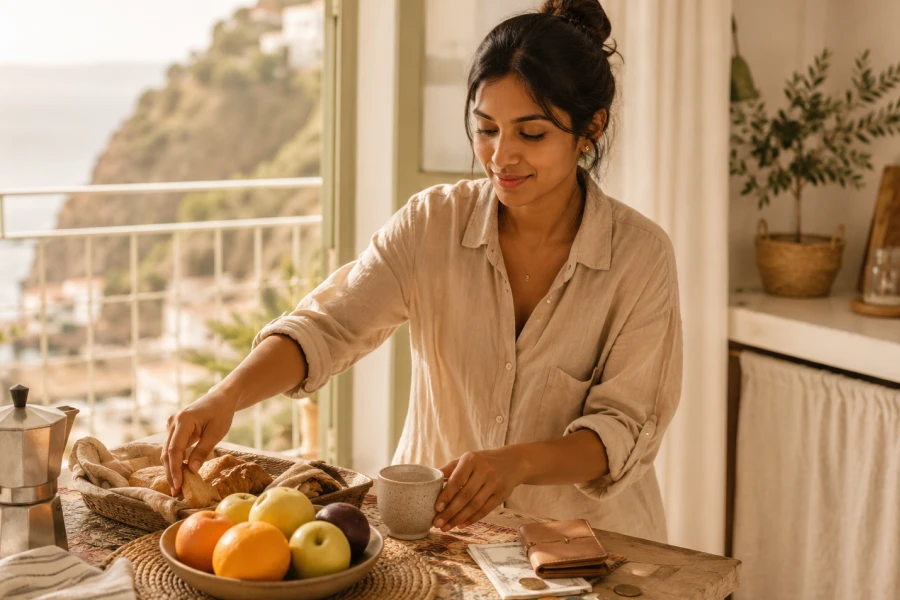
Your accommodation can quietly shape your food costs. A room with a fridge creates more options. A kitchenette offers even more flexibility. Free breakfast may save money when it is genuinely useful. Location also matters. Staying near markets, bakeries, and casual restaurants reduces transport costs. It also prevents convenience spending late at night. Read reviews for nearby food options before booking. A slightly higher room rate can sometimes lower total trip costs. Food access should be part of lodging decisions. It affects comfort, timing, and daily spending more than many travelers expect.
Restaurant meals deserve a clear role in the budget. Decide which meals should feel special. Then keep ordinary meals simple. Check menus before entering. Look for lunch menus, shared plates, and local specials. Skip bottled drinks when tap water is safe. Avoid ordering appetizers from habit. A focused approach to save on restaurant meals helps protect the experience. You can still enjoy restaurants. You just stop treating every sit-down meal as unlimited spending. That distinction matters over several travel days.
Tracking food spending should be simple. You do not need a complicated spreadsheet. A notes app works fine. Record the total after each meal. Check the number once each evening. If one day runs high, adjust the next day gently. Avoid guilt because travel rarely follows perfect plans. The goal is awareness, not punishment. Tracking also reveals patterns for future trips. You may discover that snacks cost more than expected. You may notice breakfast savings make room for better dinners.
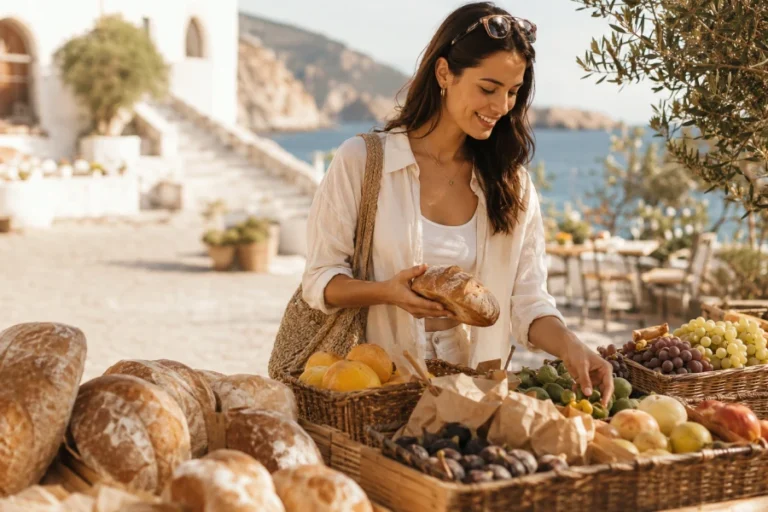
Longer trips require a more sustainable rhythm. Restaurant-heavy days become tiring and expensive. Build in simple meals that feel normal. Buy fruit, yogurt, bread, salads, or ready-made local dishes. Repeat reliable options when needed. Save research energy for meals that truly matter. A detailed approach to local market meals can make long stays easier. Longer travel rewards routine. You do not need novelty at every bite. Familiar low-cost meals create comfort between bigger experiences.
A good food budget creates better choices. It helps you avoid waste, regret, and random overspending. It also makes special meals feel earned. You stop wondering where the money went. Instead, you remember where the best flavors happened. The budget becomes a tool for pleasure. It directs money toward moments that matter. That might be a cooking class, a seafood lunch, or a pastry shop visit. The right plan protects both appetite and wallet. Travel feels richer when spending matches intention.



Leave a comment